Geotechnical Engineering
Unit Weight / Density Converter
Convert pcf to kN/m3 and between lb/ft3, kg/m3, Mg/m3, g/cm3, and N/m3 for soil unit weight and mass density calculations.
Engineering schematic
Mass density and unit weight
Static symbolic figure. Enter project values in the calculator fields below.
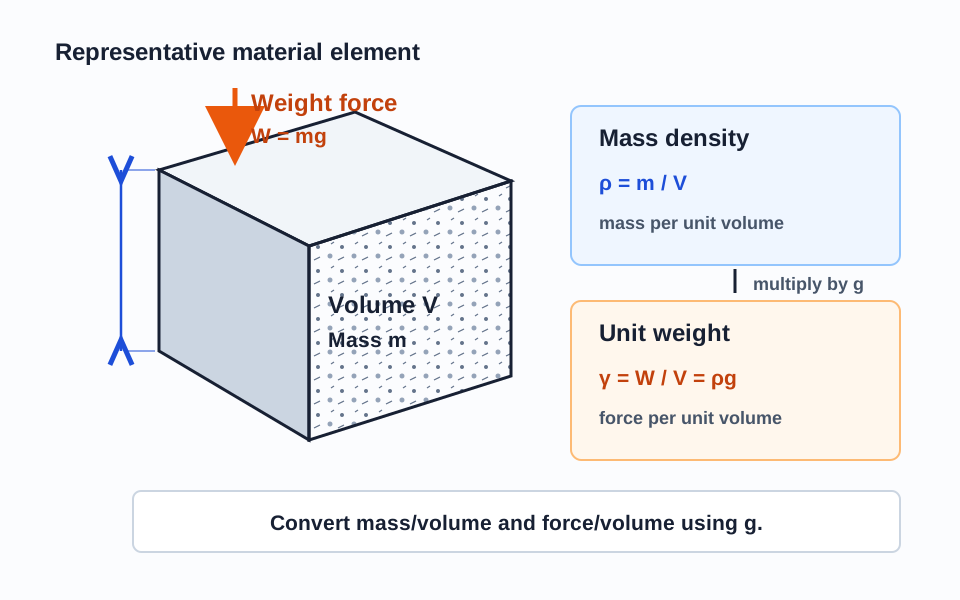
- V
- material volume
- m
- mass
- W
- weight force, mg
- ρ
- mass density, mass per volume
- γ
- unit weight, force per volume
Result
120 pcf = 18.8505 kn/m3
Converted
18.8505
Step-by-step calculation
- Converted value
What this means
Use consistent units throughout engineering calculations to avoid hidden conversion errors.
Assumptions
- Standard gravity of 9.80665 m/s2 where mass and force units are related
- No material-specific correction factor
Formula Used
Step-by-Step Example
120 pcf is about 18.86 kN/m3.
Engineering Notes
- Mass density is mass per volume, while unit weight is force per volume. They are related through gravitational acceleration.
- Conversions between kg/m3 or Mg/m3 and force-based units use standard gravity of 9.80665 m/s2.
- Confirm whether a project value is moist, dry, saturated, submerged, or buoyant unit weight before using it in a calculation.
FAQ
Are density and unit weight identical?
Strictly no, but engineers often convert common field values using standard weight-density relationships.
Related Engineering Guides
Unit Weight Conversion ExampleFollow pcf, kN/m3, and mass-density conversions with units shown at every step.Soil Unit Weight ExplainedDistinguish moist, dry, saturated, submerged, and buoyant unit weight.Percent Compaction ExampleUse wet and dry unit weight consistently in a field-density acceptance calculation.